

 REQUEST INVITE
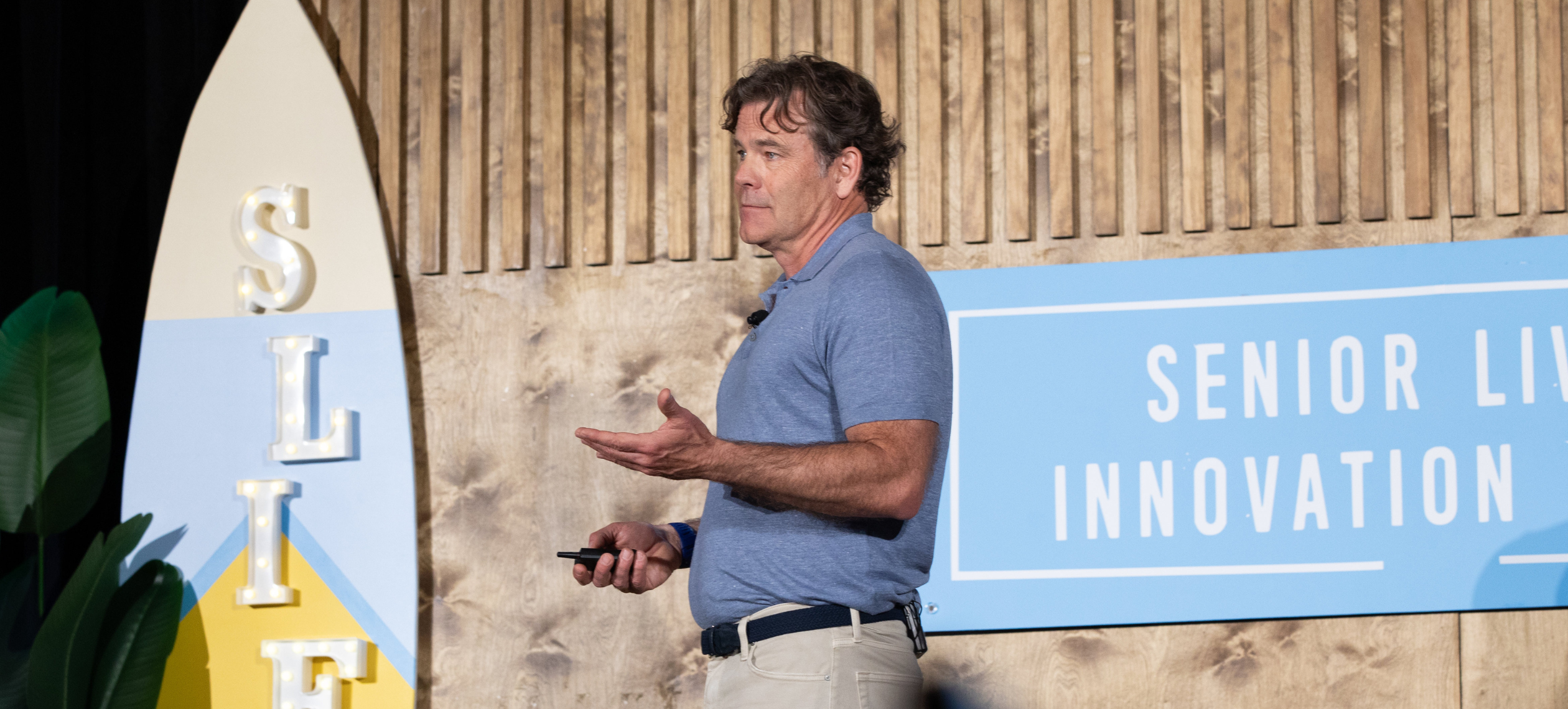
Rodney Mullen didn’t open his talk at the Senior Living Innovation Forum by talking about skateboarding.
He started by reacting to what he had just seen in the session before him.
Joel Theisen and Dr. Bill Thomas of Lifespark had challenged one of senior living’s most deeply held beliefs: safety first. They questioned whether the industry’s fixation on minimizing risk had quietly drained purpose from daily life. Then they showed residents competing, moving, and testing their limits.
Rodney loved it.
“If I ever end up in a senior living community,” he said, “I’m pretty sure I belong in a place like Lifespark.”
Coming from the godfather of modern skateboarding, this wasn’t polite applause. It was validation.
There’s a lot an industry built on care can learn from a culture built on concrete.
The Iteration Game
Mullen is famous for inventing the flatground ollie and the kickflip. We look back at those as revolutions. He sees them differently.
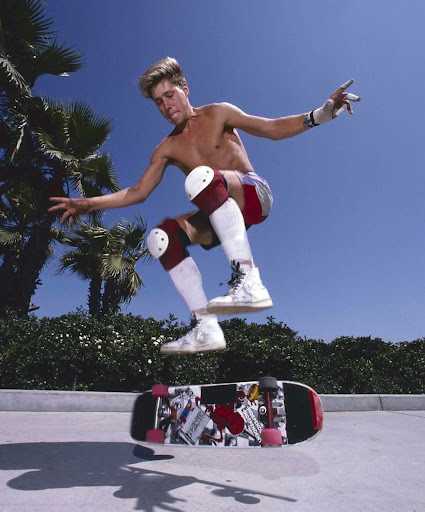 Rodney Mullen performing a trick in the 80s
He explained that the ollie didn’t feel like a breakthrough at the time. It was a subtle redistribution of weight. A tiny mechanical tweak.
But that small shift moved the sport from vertical ramps to the street. Suddenly, curbs and handrails were fair game. The sport became accessible to everyone.
Senior living is in a similar spot. Most leaders think innovation requires a hundred million dollars and a new building.
Usually, it just requires a tweak. A reframing of what a resident is allowed to do. You don't need to rebuild the facility. You just need to change the rules of the pavement.
When Culture is a Cage
Early skate culture was dictated by surfers. If you didn’t surf, you didn’t matter. Mullen noted that this culture held the sport back.
It wasn't until skating broke free of surfing’s shadow that it truly evolved. New voices emerged. New styles won.
The parallel to senior living is uncomfortable.
The industry has deeply entrenched norms around liability and compliance. It lets the regulators and insurers dictate the culture. The question isn’t whether safety matters. The question is whether it is preventing communities from feeling alive.
Innovation vs. Real Life
When Mullen co-founded World Industries, they didn't win by making things complicated. They won by aligning with how skaters actually lived.
Lighter boards. Playful designs.
“A lot of great ideas fail,” he said, “because they don’t suit the culture that’s meant to adopt them.”
This shows up constantly in senior living. Innovation that looks great in a pitch deck often feels alien to the staff and residents who have to live with it. If it doesn’t fit the lived experience, it is dead on arrival.
Resilience is a Practice
Mullen talked a lot about falling. Skaters slam into the ground constantly. They develop an intimate relationship with gravity.
“You learn by falling,” Mullen said. “But you learn how to fall in a way that lets you keep going.”
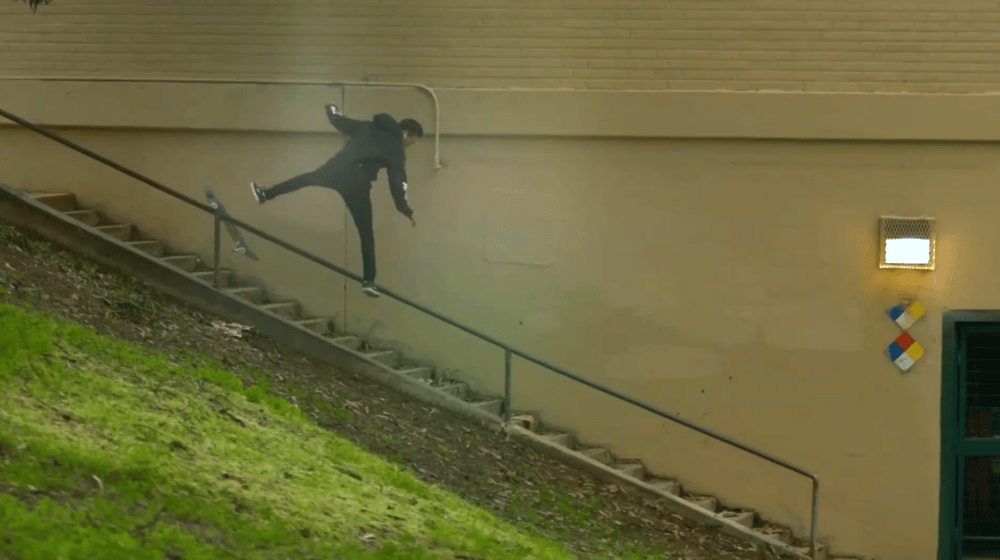
In senior living, physical falls are obviously the enemy. But the fear of failure can be just as paralyzing for leaders. The instinct is to design systems that never fail, which usually means designing systems that never change.
Mullen’s point was simple. Progress doesn’t come from avoiding failure entirely. It comes from building a culture where learning is continuous and failure doesn’t have to be fatal.
Purpose Does Not Retire
The most powerful moment wasn't about tricks. It was about recovery.
Rodney is nearly 60. After decades of impact, his hips were destroyed. He described the process of having them replaced, grinding down bone, and relearning how to walk. It was a long, cautious road back to the board.
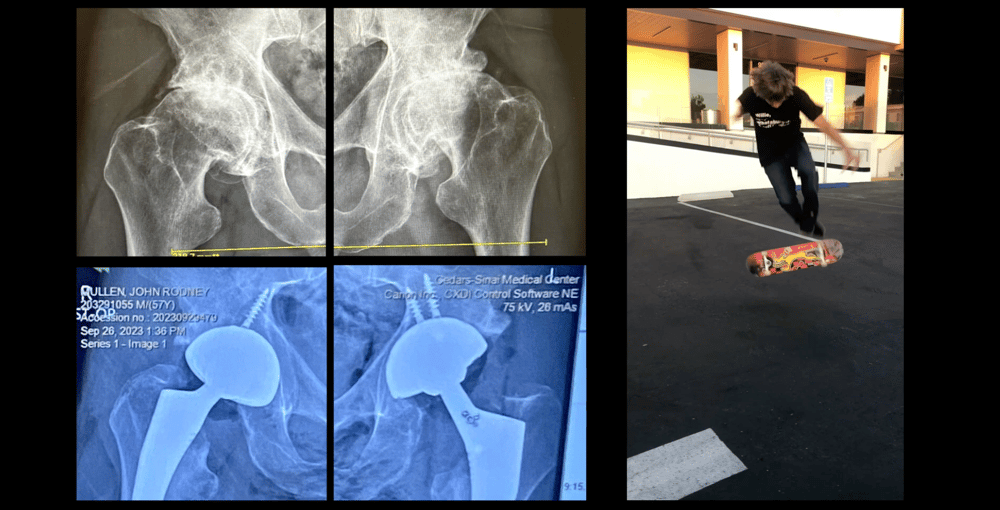
“It doesn’t matter what level you’re on,” he said. “It’s being able to do the thing you love.”
He is skating again. Not to compete. Not to prove anything. Simply because it is who he is.
That is the heart of the matter. When people are trusted with challenge and movement, they don’t become fragile. They become alive.
The Foam Pit
At the end of his talk, I asked Rodney a simple question.
If he were to move into a senior living community with his friends, guys like Tony Hawk or Johnny Knoxville, what would that actually look like?
He didn’t talk about amenities.
He talked about foam pits. The kind used to practice motorcycle backflips. Giant pads where you can launch yourself into the air, miss the landing completely, and walk away laughing.
It was ridiculous. And it was also kind of perfect.
Skateboarding is about navigating environments that were never designed for you. So is aging.
Rodney Mullen didn’t just tell stories about skating. He held up a mirror.
Innovation begins when we stop asking how to protect people from life and start asking how to help them keep living it.


-Aug-19-2026-07-53-20-4908-PM.png)





Comments