

 REQUEST INVITE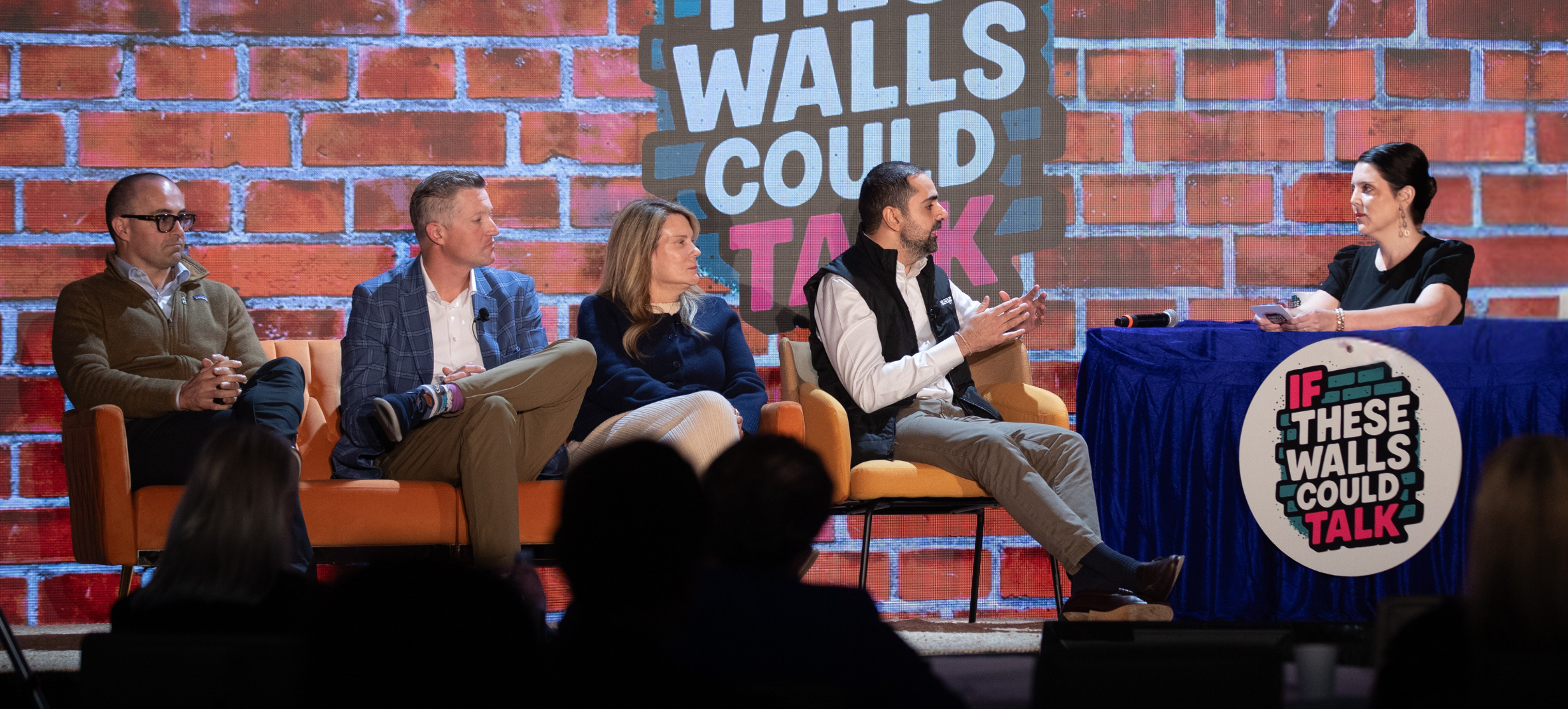
"Data has no emotions." When Michael Pittore, Co-CEO of Agemark Senior Living, says this, he's not being cold, he's being honest about what it took to turn around decision-making in an organization where "I feel like this is happening" had become the default response to problems.
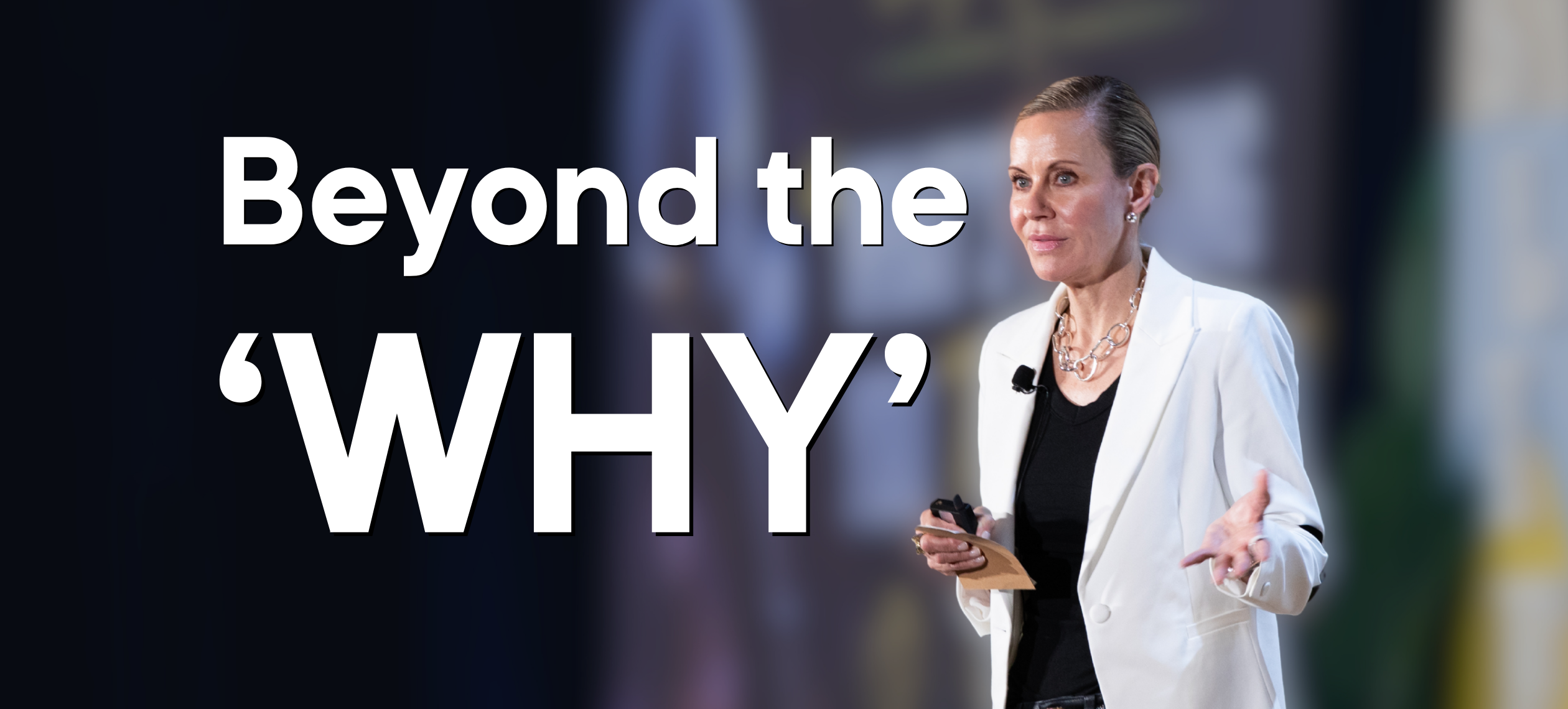
At the Senior Living Innovation Forum, four leaders shared the hard lessons that transformed how they run their organizations. No theory, no buzzwords—just what actually worked when the stakes were high.
The Price of Transformation
Heather Tussing, President of The Aspenwood Company, was hired to transform an organization. "That was the hardest year of my career," she admitted. "There were days I didn't know if I'd make it through."
Her approach? Observe for a month, then make hard decisions. The challenge wasn't just the decisions themselves—it was the emotional toll. "The hardest thing was I wouldn't allow myself to form relationships with my team members because I didn't know who was gonna stay and who was gonna go. I couldn't be fake."
But the results speak for themselves. In three years, Aspenwood grew from 12 to 20 communities with $100 million in annual revenue growth. They opened and/or acquired seven communities in 30 days while maintaining census at existing properties with no major turnover.
Her vendor selection criteria is equally ruthless: "I look for individuals who know the industry. There was one vendor I had to teach the industry, and I promised myself I would never do that again." The technology must benefit residents, team members, AND show ROI for investors. "We usually pilot so we can see if things are going to go smoothly. Anybody can tell us anything. It's not about mistakes, it's about how you react and fix them."
Living in the Problem
Chris Nall, CTO at Atria, came from Papa John's where staff turnover hit 150%. Senior living's 60% felt almost manageable by comparison. His first move? Live in a community for seven days.
"I always tell people on my team, you have to love your problem," Chris explained. Today, he hits seven to 10 communities every week. "What the California resident wants is way different than the Iowa resident or the Northeastern resident."
His biggest frustration? Infrastructure. "We are 20 years behind hotels, 25 years behind on wifi. My father just turned 80. That generation is expecting that—it's table stakes. I use an analogy: it should be treated like clean water, like a utility."
The numbers back up the investment. After deploying 2,000 Alexas across communities, Atria saw 50% boost in engagement and 30% less call usage. "They're wanting to talk to somebody. The pushback is extending longevity, and that demographic does want connectiveness."
But Chris had to get creative with funding. "Ownership groups aren't giving me what I would like on infrastructure. So we have a Ready Connect fee that we add to net new residents."
His design philosophy? "Zero support burden on staff. We've designed all our support to be senior-centric, resident-centric, not putting any new burden on caregivers. The number one constructive feedback we get is 'you're adding work to my day.' We're not."
Stop Guessing, Start Measuring
Michael Pittore's transformation started with a simple realization: people were making assumptions without objective information. "A lot of times we hear 'I'm understaffed.' We start to look and see that maybe you are in your opinion, but are we actually billing for all the care we're providing? If we are, then we can probably add staff. If we're not, then we have a problem on two sides."
He threw out old metrics like wage-to-revenue percentages and staffing ratios. Instead: wage hours compared to care hours in the EHR. "That'll tell you both: are you getting the care revenue you need to justify the staffing for the actual acuity level?"
When a team member says the market is slow and they're not getting enough leads, Michael digs deeper into conversion data. "Do you have a closing problem or a tour problem or a phone problem? Just looking at conversion ratios—inquiry to tour and tour to move-in."
But Michael's most important insight is about adoption. "Pick less than five or six metrics and say, this is what we manage to, so people have a clear sense of what I can do to move the wheel. You can add systems, but if the people using them don't know how to use them to their full extent, it's garbage in, garbage out."
His promise for 2026? "We've made a lot of changes in the last two years, and for 2026, we're going to slow down and digest the stuff we have and work on engagement. We've engaged third-party learning companies to gather all our tribal knowledge. That's not always on paper."
From Reactive to Real-Time
Raj Mehra, CEO of Sage, sees patterns across hundreds of operators. His observation: "Five years ago, if I asked people how they're performing, they would look at their P&L. The challenge is that P&L is good for financial performance, but it's not telling you the real-time pulse."
The shift? From lagging indicators to leading ones. "Do you have nurses in the community doing 40% of care staff responsibility because the care staff aren't leveled up? Those nurses are gonna churn and then you're gonna have another problem. No P&L is gonna tell you that."
The best operators change their focus annually based on data. "Last year, their big problem was care creep. They put all their efforts around unplanned care documentation. This year, same operator, their biggest problem is turnover. Their entire management team is analyzing real-time labor trends."
On AI, Raj is pragmatic. His team at Sage developed an AI product that works within existing workflows: when a caregiver walks past a resident's room, the system alerts them in real-time that this resident needs help with bathing right now because it's in their care plan at this exact moment. 'That's the power of AI: information you need at the right point in time to give you leverage, preventing people from having to look at paper binders.'
The Bottom Line
Four leaders, four different perspectives, one common thread: stop guessing, start measuring what matters, and make it simple enough that everyone from the C-suite to the frontline knows exactly what moves the needle.
The walls of senior living communities have stories to tell. Heather's approach shows why this matters: 'I want people who will challenge me and challenge each other and help us get to the best possible solutions for our residents, our team members, and each other.' When you combine honest data with honest conversations, transformation becomes possible.
Watch the full episode here:

Posted by
SLIF heads to Amelia Island!
The One of a Kind Retreat for Senior Housing Leaders.
November 1-3 | Amelia Island, FL
Learn More
-Aug-19-2026-07-53-20-4908-PM.png)



Comments